Article: The Art of Sourcing Rough

The Art of Sourcing Rough
There’s a particular tension that runs through the sapphire industry. In Madagascar, one of the world’s most important sapphire sources, around 90% of gems leave the country as rough or illegally exported. They travel to Sri Lanka or Bangkok, where they’re cut, treated, and sold. By the time a finished sapphire reaches the market, it may have changed hands half a dozen times.
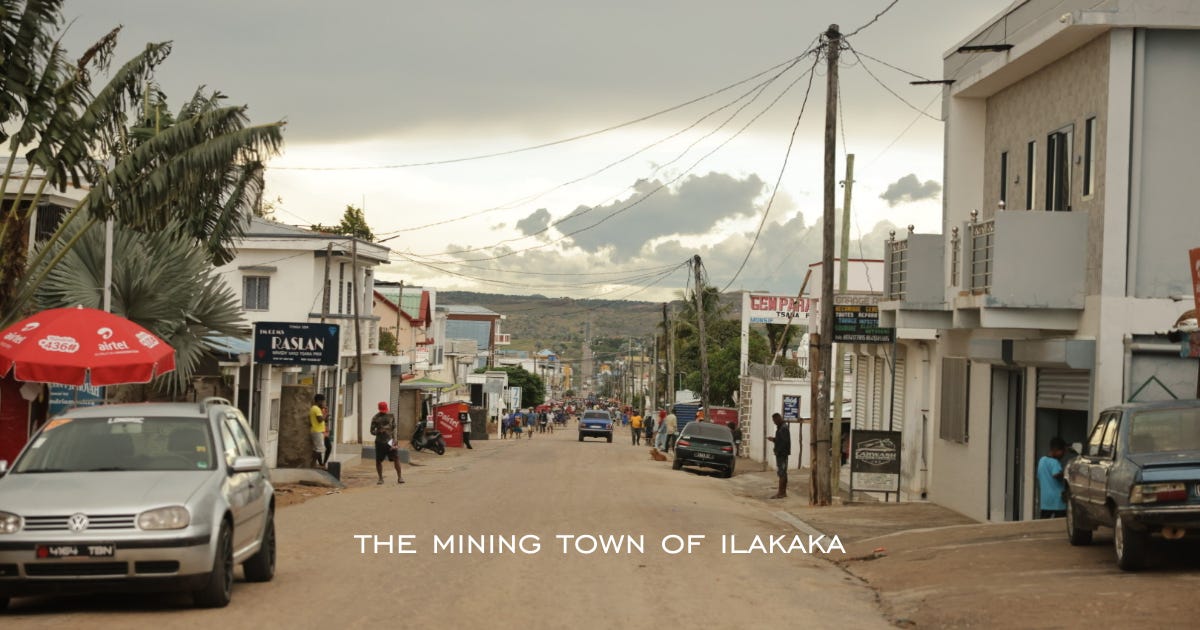
This system wasn’t built for transparency. It was built for efficiency - getting rough stones to the skilled cutters and the capital that could transform them. But somewhere along that chain, information gets lost. A sapphire heated in Bangkok may have started its journey in Ilakaka. The miner who pulled it from the earth has no connection to the dealer selling the finished stone. And treatments that should be disclosed simply aren’t, because no one person witnessed the stone’s full journey.
This is why we source rough directly.
We work with one industrial mine. This matters for a simple reason: we know exactly where our stones come from and what has (or hasn’t) been done to them. When rough has already traveled through trading hubs, you’re trusting a chain of custody that may have gaps. When you buy directly from extraction, there’s no question. The stones haven’t been heated, diffused, or filled. What you see is what came out of the ground.
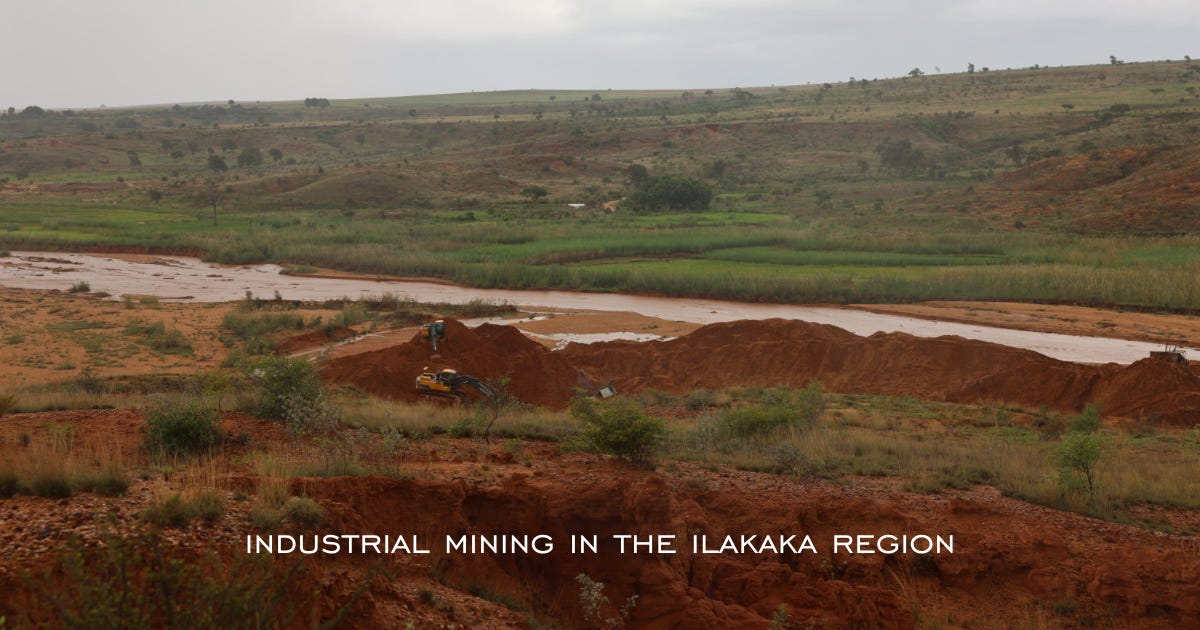
But working with an industrial mine is only the beginning. Then comes the skill of actually buying rough.
Evaluating rough sapphires is a different discipline from buying finished gems. You’re reading the crystal - assessing clarity through a rough surface, interpreting color zoning that will shift once the stone is cut, understanding how inclusions sit within the material and whether they’ll pose problems or disappear with careful orientation. You’re making decisions about stones that don’t yet reveal what they’ll become.
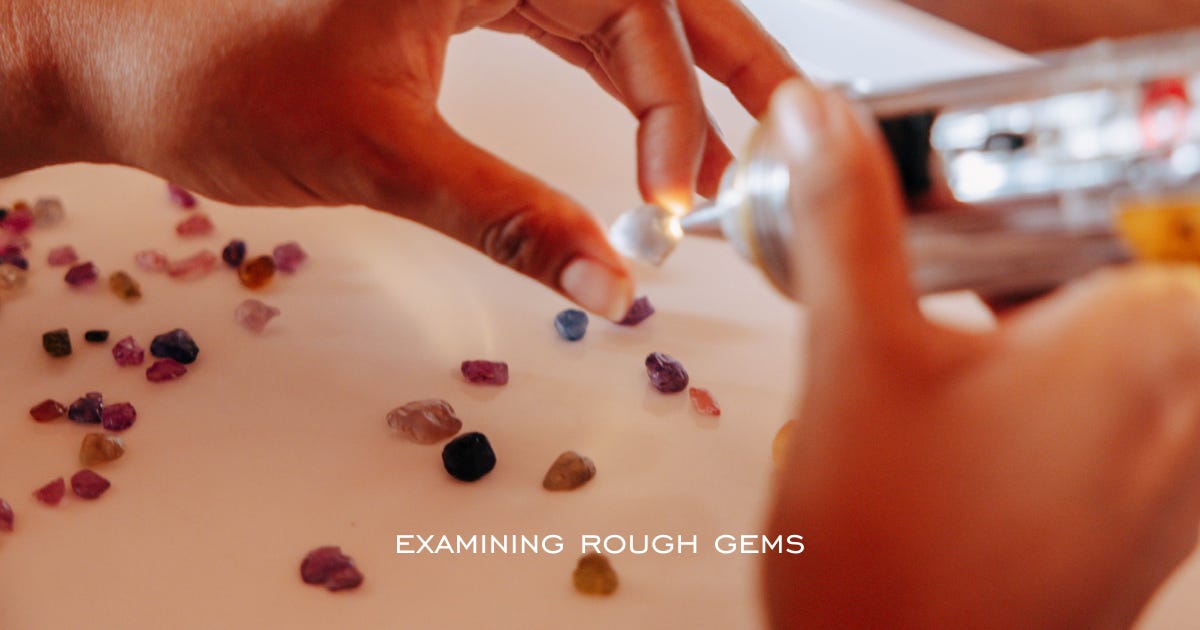
Sometimes we select rough knowing the finished stone will carry visible inclusions. Not as flaws to apologize for, but as a geological footprint - evidence of the conditions under which the crystal formed, millions of years ago. We believe in authenticity in all its forms. A sapphire that tells its own story, inclusions and all, holds something that a heavily treated “clean” stone cannot.
It takes time to develop this eye. It takes patience to learn which rough holds promise and which doesn’t justify the investment. This approach isn’t easier than buying treated finished goods - it requires more expertise, more capital, and more risk. But it lets us offer something the conventional supply chain often can’t: certainty about what you’re getting, and stones that are honestly, completely themselves.

