Sourcing Responsibly
Gems With Origin is a purpose-driven initiative to keep the value generated by the gemstone trade in the country it comes from, where it can benefit local communities. In countries such as Madagascar, gemstones are the livelihood of millions of people. Yet 90% of those gems are exported rough, which means the jobs and the economic value attached to the trade are created somewhere else.
Malagasy stones are also frequently disregarded, because of the image attached to the unsafe conditions some small-scale artisanal miners work in. For that reason we built a close relationship with a large mechanized operation, where the risks of child labour and forced labour can be controlled, and we began with mine-to-market sapphires only.
As Gems With Origin has grown, six trips to Ilakaka have changed our reading of that decision. Avoiding artisanal miners does not remove them from the chain; it participates in the cycle of predation that keeps their prices low. If buyers refuse their gems as 'unethical', they will not stop mining. In a country with few employment alternatives, where mining is the second largest employment sector, they will keep digging, and their stones will be bought at extremely low prices by dealers who use elaborate procedures to obscure the origin.
Buying those stones at a fair price, above market, has a direct effect on the quality of life of the people who mine them, particularly when it is paired with long-term work on access to educational programmes and better tools.
So while 90% of our gems remain mine-to-market, we are opening new paths of sourcing. Every gemstone is accompanied by a document stating where it came from, how it was mined, and, as always, who cut it.
Our sourcing principles rest on maximising the value added locally and on strengthening the communities that produce these stones. We believe the route to that is education, and above all the development of the industries that support mining. Beyond responsible sourcing, we want to cut responsibly. Keeping our supply chain in-country is our contribution to the beneficiation of the coloured gemstone industry for the communities that live from it.
Paths of sourcing
Our main path of sourcing: mine to market, through our large-scale partner.
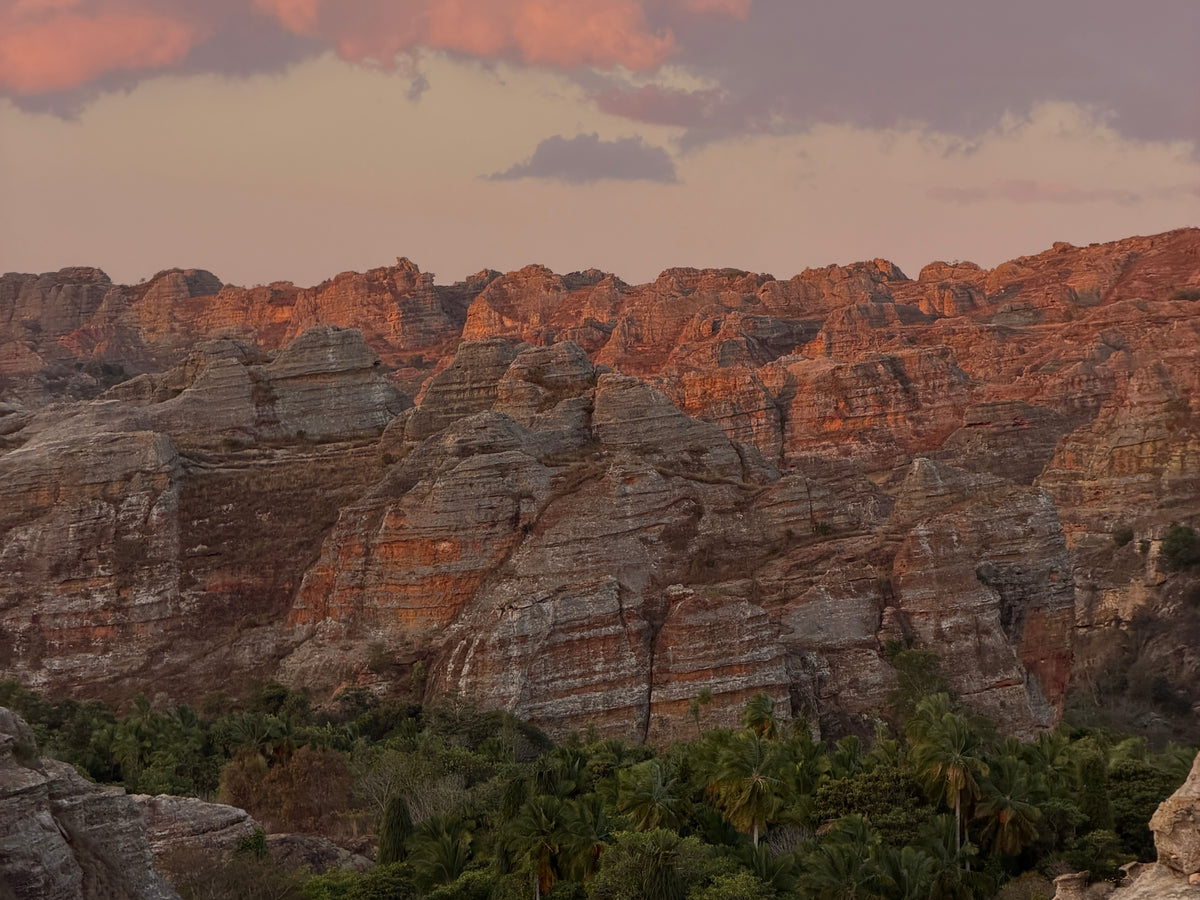
We work closely with a mechanized operation in the Ilakaka deposit. Ilakaka is where the Malagasy sapphire rush began in the late 1990s, and the deposit stretches over more than 100 kilometres. Madagascar is the source of an estimated 60 percent of the world's sapphires, and a large share of them come out of this ground. Most of our sapphires and chrysoberyls are bought here.
We buy the rough directly from the operator, and the reason that matters is the labor question. The site is enclosed and access to it is controlled. Ours binds our partner to safe and equitable working conditions, fair compensation, and a strict prohibition on child labor and forced labor. Compliance is a condition of the partnership, not a preference within it, and we assess it on a recurring basis.
We do not yet hold third-party certification of this chain. That is our intention and it is not in place. Until it is, what we offer here is a named mine, a named operator, terms we can produce on request, and our own recurring assessment against them.
We are a women-run business, and one of our sourcing channels buys from women trading gems in Madagascar on their own account.
The difficulty for these traders beyond finding stones is finding buyers. The clients for larger material sit in networks they are not part of, so a good stone can sit unsold for months, or go to a dealer at a discount because he is the only one asking. We buy their larger stones directly, in person.
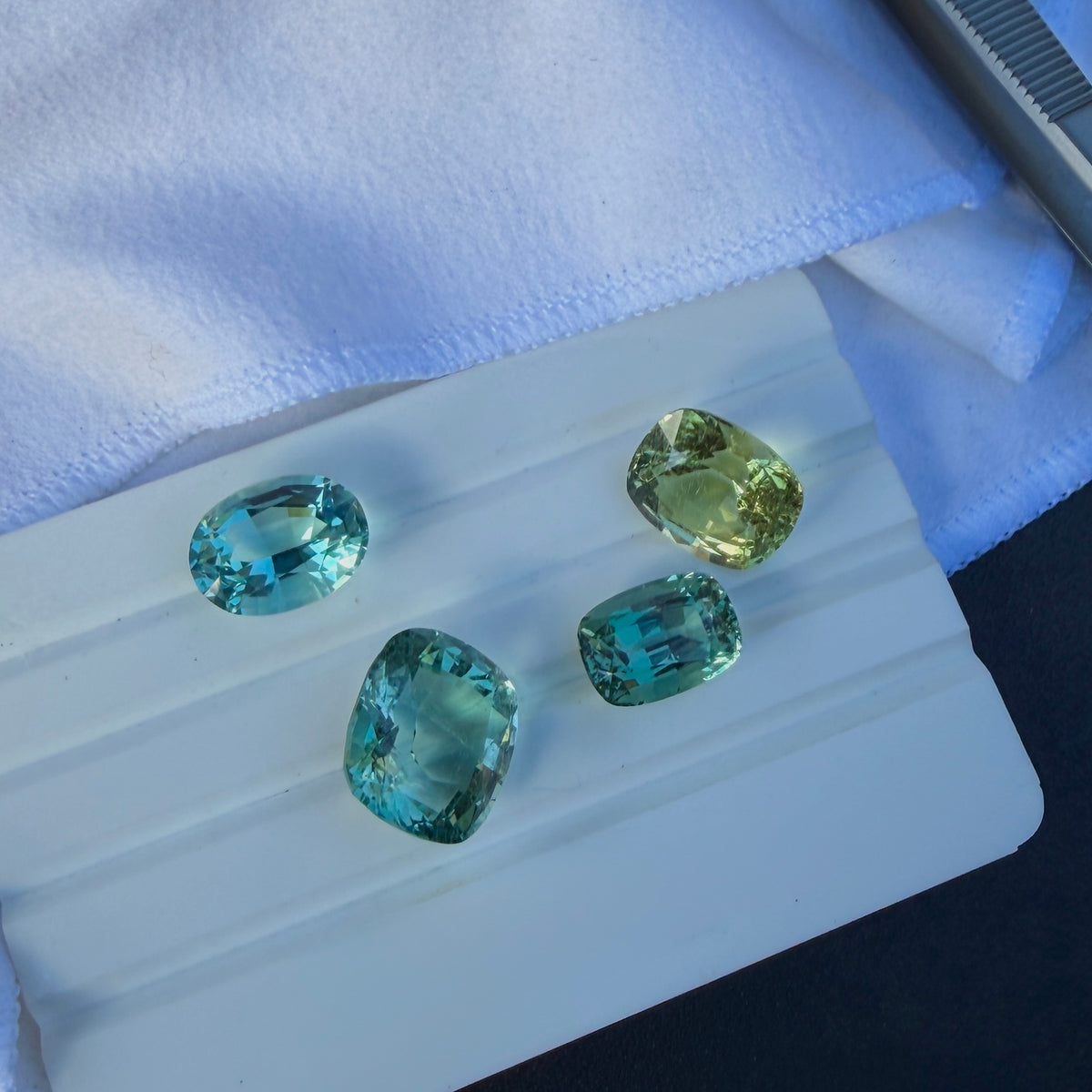
This channel is also where we source our beryls, tourmalines and other species that do not occur on the Ilakaka deposit. Stones bought here usually arrive already cut, and rarely to the standard we sell at, so most are recut by our partner lapidaries in Madagascar.
There is more to say about how this part of the market works than belongs on this page.
Parcels bought on the open market in Madagascar, through local contacts we have worked with over several years. We began buying this way in August 2026.
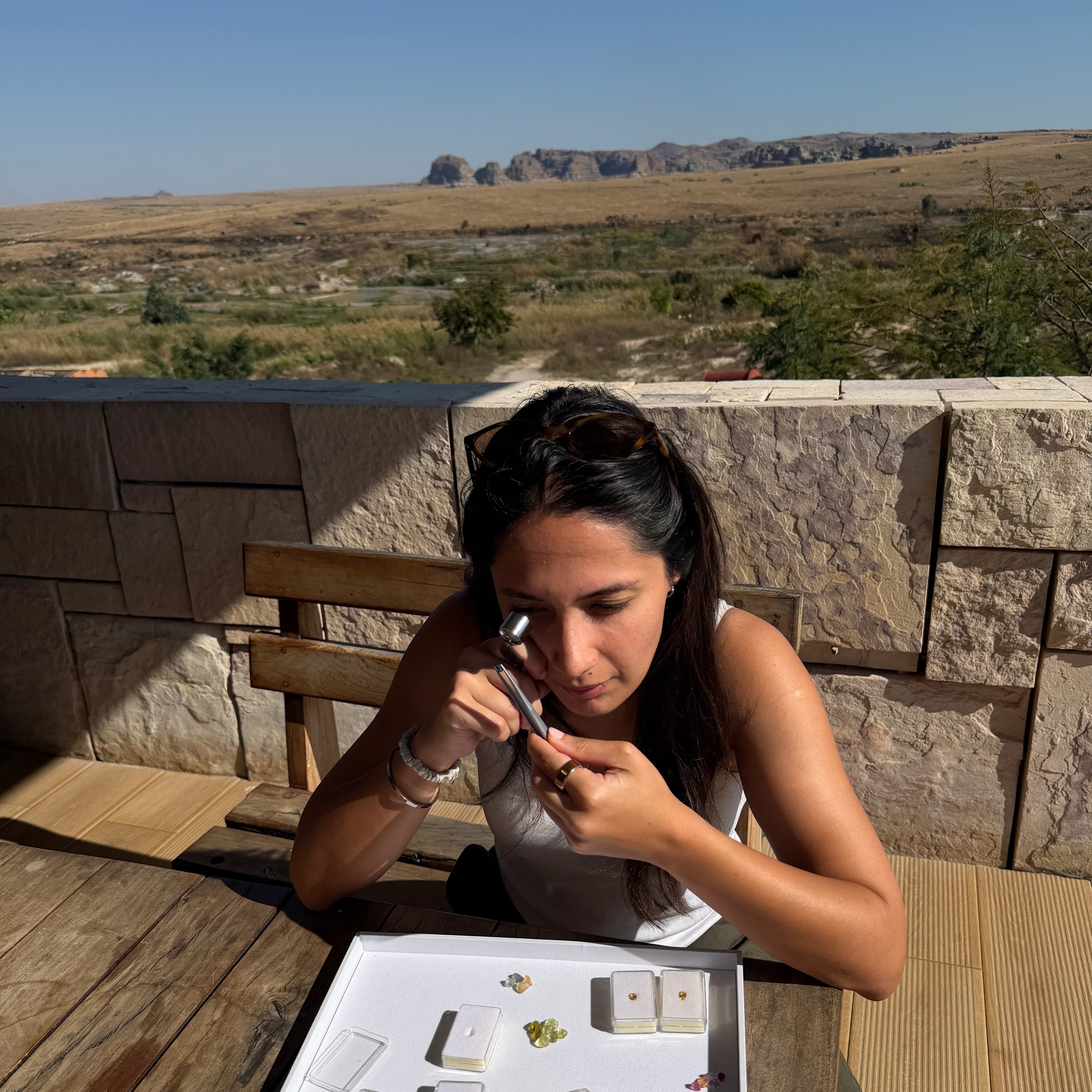
Every purchase in this channel is made in person. We travel to the region, examine the parcel before any price is discussed, compare it against what is being offered for similar material around us that day, and pay above that. We record the seller, the place, the date and the amount paid. The stone is then cut in Madagascar and listed with the Market Day tag.
Frequency
Because every purchase requires us to be present, the channel is only open when we are in the region, a few times a year. The catalogue reflects that. We would rather run a small channel we can account for than a continuous one we cannot.
Under research
We want to know whether cooperatives are workable here. Organising artisanal miners and traders into cooperatives is the only mechanism we can see that turns a chain we cannot verify into one we can, without withdrawing from it. We do not yet know how one would be built in Madagascar, who would have to be involved, or what it would cost. We have started to find out, and we will publish what we learn as we go, including the parts that do not work.
Explore Our Gemstones by Paths of sourcing